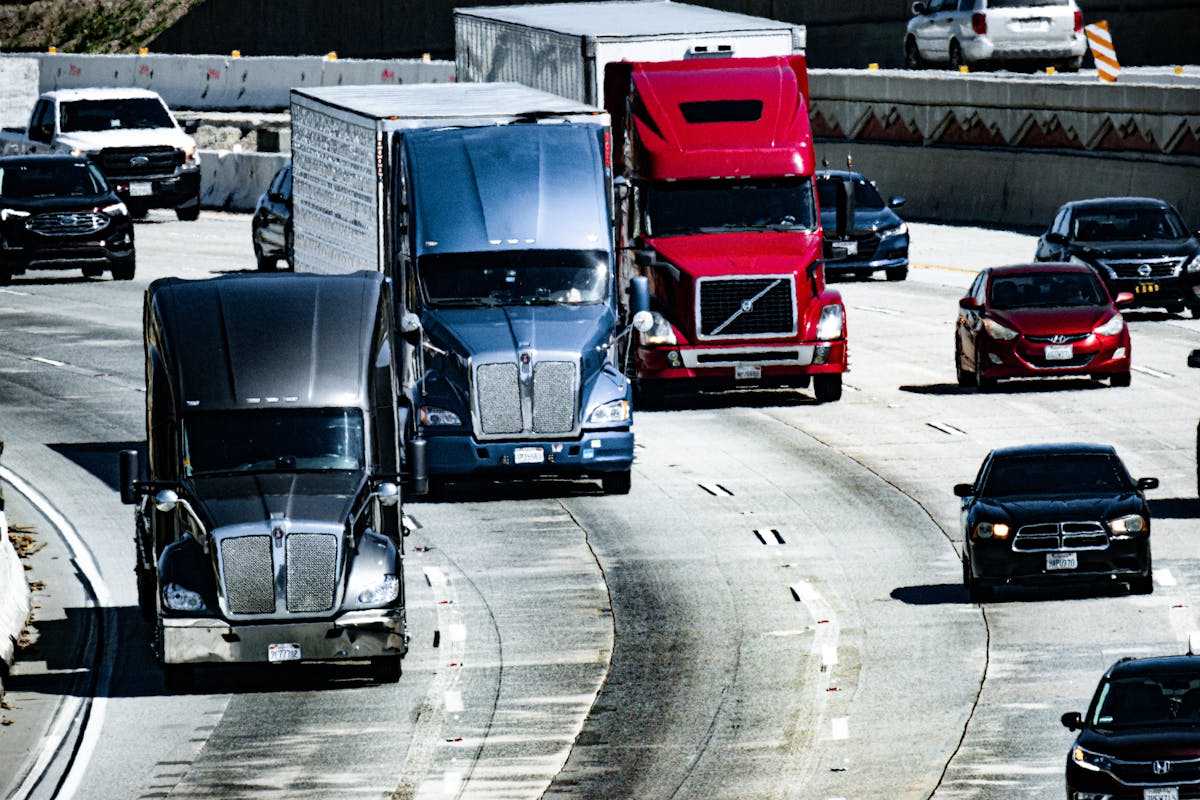
Every haulage operator knows the frustration of watching a truck drive back empty after a delivery. But few actually sit down and calculate what those empty miles are truly costing them. When you do the maths, the numbers are sobering.
The Scale of the Problem
According to the Department for Transport's road freight statistics, approximately 29% of all HGV miles driven in the UK are empty — no load, no revenue, just cost. For the industry as a whole, that's an estimated cost running into billions of pounds annually.
But let's make it personal. Consider a single artic running 120,000 miles per year:
- 29% empty = 34,800 empty miles per year
- At an average running cost of £1.20-£1.50 per mile (fuel, driver, wear, insurance), that's £41,760-£52,200 per year in costs generating zero revenue
- For a 5-truck fleet, that's potentially £200,000+ per year spent driving empty
If empty running were a line item on your P&L, it would likely be your single biggest controllable expense. The problem is that most operators don't see it that way — they see it as an unavoidable part of the job.
Why Empty Running Happens
Understanding the causes is the first step to solving the problem. Empty miles typically occur for several interconnected reasons:
1. One-Way Loads to Dead Zones
This is the classic problem. You deliver a load to a rural area — perhaps mid-Wales, the Scottish Highlands, or rural Cornwall — and there's simply nothing to bring back. The delivery area has low commercial activity and few loads originating from it.
Smart operators price these deliveries accordingly, building the return empty miles into the outbound rate. But many operators, under competitive pressure, don't charge enough to cover the dead leg home.
2. Time Pressure
Your driver delivers in Birmingham at 3pm and has another pickup in Manchester at 7am tomorrow. There might be a backload available, but finding it, quoting it, and confirming it takes time. If the driver isn't booked on something by 3:30pm, they're heading home empty because there isn't enough time to search properly.
3. Manual Search Limitations
A human operator can check a freight exchange every 20-30 minutes. Between checks, suitable loads appear and disappear. By the time you spot a perfect backload, someone else has already quoted and won it. This is the fundamental limitation of manual freight exchange monitoring.
4. Vehicle Type Mismatch
Your artic curtainsider drops in Southampton, and there are loads available, but they need a flatbed or a box van. Vehicle type mismatch is a surprisingly common cause of empty running that's rarely measured.
5. Driver Hours Constraints
Even when a backload is available, your driver may not have enough hours remaining to complete it legally. This is a genuine constraint, but one that better planning and scheduling can partially mitigate.
The True Cost: More Than Just Fuel
Most operators think of empty miles purely in terms of diesel. But the real cost is much higher:
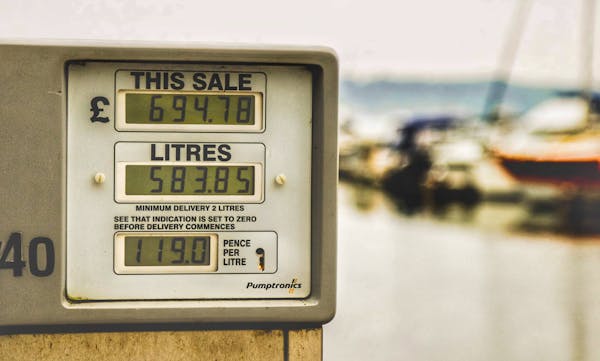
- Fuel: The obvious one. At current diesel prices, roughly 45-55p per mile for an artic
- Driver wages: Your driver is being paid whether the truck is loaded or empty — approximately 35-50p per mile
- Tyre wear: Tyres wear at the same rate loaded or empty — roughly 5-8p per mile
- Vehicle depreciation: Miles are miles, and every one reduces the vehicle's residual value
- Opportunity cost: Every hour your truck runs empty is an hour it could be earning revenue
- Environmental impact: Empty trucks still produce emissions, and with carbon reporting becoming mandatory, this matters more every year
When you add all these costs together, the true cost of an empty mile is typically £1.20-£1.60 for an artic — not just the 50p in diesel that most operators mentally calculate.
How Technology is Changing the Game
The good news is that empty running is not inevitable. Technology — particularly AI-powered load matching — is giving operators tools to dramatically reduce it.
Continuous Freight Exchange Monitoring
AI systems scan freight exchanges 24/7, not every 30 minutes. They evaluate every load as it appears, checking it against your drivers' locations, vehicle types, and availability in real time. When a suitable backload appears 5 minutes after your driver drops, the AI has already spotted it, evaluated the route, and quoted it — before a human operator would have even checked the exchange.
Predictive Load Matching
Advanced systems don't just react to loads that are available now — they analyse patterns. Which routes consistently have loads available? What times of day do loads appear on certain corridors? This allows operators to plan routes that maximise the probability of securing a backload.
Area Intelligence
Not all delivery locations are equal. AI systems can flag when a delivery is heading to a known dead zone and automatically demand a premium rate to cover the likely empty return. This doesn't eliminate the empty miles, but it ensures you're being paid for them.
Multi-Exchange Visibility
Manually checking multiple freight exchanges simultaneously is practically impossible. An AI system can monitor Courier Exchange, Haulage Exchange, and Pallet-Track simultaneously, ensuring you never miss a load on any platform.
Practical Steps to Reduce Empty Miles Today
Whether or not you're ready to adopt AI technology, there are steps you can take immediately:
- Measure it: You can't improve what you don't measure. Track your empty running percentage weekly. Most operators are shocked when they see the actual number
- Price dead zones properly: Build return empty miles into outbound rates for deliveries to low-density areas. Don't absorb the cost
- Use freight exchanges proactively: Don't just search for loads after you've dropped — post your vehicle availability before the driver even arrives at the delivery point
- Collaborate with other operators: Partner with operators in areas where your trucks frequently deliver. They may have loads heading back your way
- Invest in automation: Even basic freight exchange automation can catch loads that manual monitoring misses
The Bottom Line
Empty miles are the single biggest efficiency loss in UK haulage. Reducing your empty running from 29% to 15% — which is achievable with the right tools and practices — could save a 5-truck fleet upwards of £100,000 per year.
That's not a theoretical number. That's money currently being burned as diesel on roads where your truck has nothing on the back.
The technology to fix this exists today. The question is whether you'll keep paying for empty miles or invest in eliminating them.