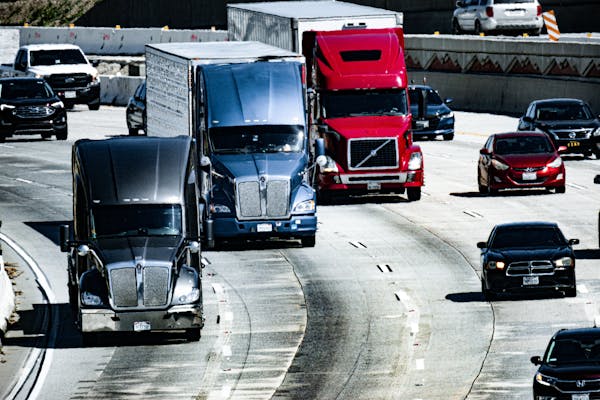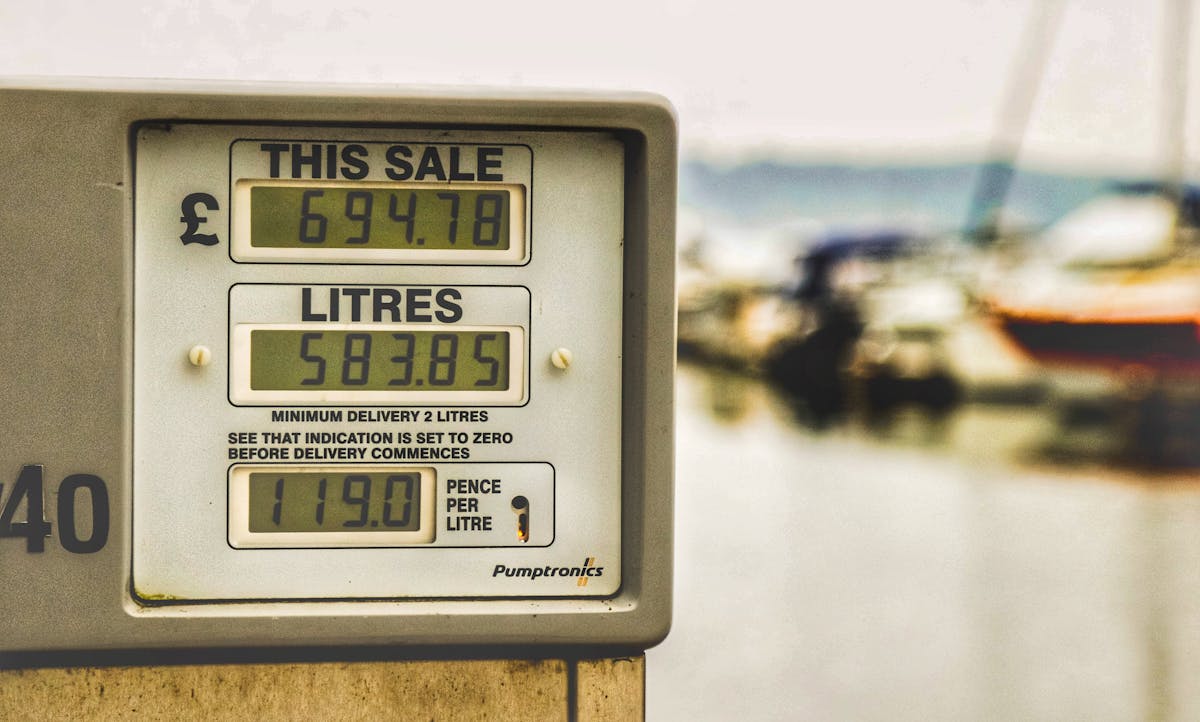
If you're a UK haulage operator, you don't need anyone to tell you that fuel is your single biggest variable cost. What you might not fully appreciate is how a conflict thousands of miles away in the Middle East is directly reaching into your wallet — and what you can do about it.
What's Happening in the Middle East
The ongoing tensions involving Iran and the broader Middle East region have created significant uncertainty in global oil markets. Without getting into the geopolitics, here's what matters for UK hauliers:
- The Strait of Hormuz — roughly 20% of the world's oil passes through this narrow waterway between Iran and Oman. Any threat to this passage sends oil prices spiking
- Supply disruptions — sanctions, military actions, and political instability in oil-producing nations reduce the global supply of crude oil
- Market speculation — even the threat of disruption causes traders to bid up oil futures, raising prices before any physical supply is actually cut
- OPEC+ production decisions — geopolitical alliances influence how much oil major producers are willing to pump
How This Translates to UK Diesel Prices
The chain from Middle East conflict to the price you pay at the pump is shorter than most people realise:
Crude oil rises → UK wholesale diesel rises → pump prices rise → your fuel bill increases → your margins shrink.
In early 2026, we've seen Brent crude fluctuate significantly in response to escalations in the region. Each $10 increase in crude oil prices per barrel adds approximately 6-7p per litre to UK diesel pump prices. For a fleet running 40,000 miles per year per truck at 8 mpg, that's an additional cost of roughly £1,300-£1,500 per vehicle, per year.
For a 10-truck fleet, a sustained $10 increase in crude oil prices translates to an additional £13,000-£15,000 in annual fuel costs. That's money coming directly off your bottom line.
The Real Impact on Haulage Margins
Haulage is already a low-margin business. Most operators work on net margins of 3-8%. When fuel represents 30-40% of your total operating costs, even modest price increases can be devastating:
- A 10p/litre increase on diesel erodes roughly 2-3% of revenue for a typical haulage operation
- If you're running on 5% margins, a sustained fuel spike can push you into loss territory
- Operators who don't adjust their quoting quickly enough absorb the full increase
- Fixed-rate contracts signed before the price increase become actively unprofitable
Historical Patterns: We've Seen This Before
This isn't the first time Middle East tensions have hit UK hauliers hard:
2022 — Russia-Ukraine conflict: UK diesel prices surged past £1.99/litre, the highest on record. Many smaller operators were forced to park vehicles as jobs simply weren't profitable at those fuel costs.
2019 — Saudi Aramco drone attacks: Oil prices jumped 15% overnight following attacks on Saudi oil facilities. UK pump prices increased by 3-5p/litre within two weeks.
2011-2012 — Iran sanctions escalation: Brent crude sustained above $110/barrel for months, pushing UK diesel above £1.45/litre at a time when margins were already stretched.
The pattern is always the same: sudden escalation → oil price spike → delayed but inevitable pump price increase → margin compression for hauliers.
What UK Hauliers Can Do Right Now
You can't control geopolitics, but you can control how your business responds to fuel volatility. Here are practical strategies:
1. Implement Dynamic Fuel Surcharges
If you're not already using fuel surcharges on your quotes, start now. A transparent, index-linked fuel surcharge protects your margins without requiring constant renegotiation. Base it on the UK government's weekly diesel price data and adjust automatically.
2. Review Your Pricing Weekly, Not Monthly
In a volatile fuel market, the hauliers who adjust their pricing weekly — or even daily — maintain margins. Those who price monthly are always behind the curve, quoting today based on last month's fuel costs.
3. Eliminate Empty Miles
Every empty mile is now more expensive than it was last month. Prioritise backloads, use freight exchanges aggressively, and invest in tools that automatically find return loads. Reducing your empty running from 30% to 15% can offset a significant portion of any fuel price increase.
4. Optimise Routes Ruthlessly
Route optimisation isn't glamorous, but it works. Use mapping tools that account for real-time traffic, road works, and fuel-efficient routing. The difference between a well-planned route and a "good enough" route can be 10-15% in fuel consumption.
5. Use AI to Quote Smarter
AI-powered pricing tools can factor in real-time fuel costs, route distances, and market conditions to generate quotes that are competitive yet profitable. This is particularly valuable in a volatile market where manual pricing decisions are always slightly out of date.
6. Hedge Where Possible
Larger operators may benefit from fuel hedging — locking in diesel prices for future months. While this isn't practical for every business, it provides certainty in an uncertain market. Fuel cards with fixed-price options offer a simpler alternative.
The Bigger Picture for UK Transport
The current Middle East situation is a reminder that the UK haulage industry is exposed to global forces beyond its control. While individual operators can't influence oil markets, they can build resilience into their businesses through better pricing discipline, reduced waste, and smarter technology adoption.
The operators who thrive through fuel price volatility are invariably those who:
- Monitor fuel costs in real-time, not retrospectively
- Adjust pricing dynamically rather than absorbing increases
- Minimise empty running through technology and planning
- Maintain transparent communication with customers about fuel surcharges
Fuel prices will continue to fluctuate. The Middle East will remain volatile. But the haulage operators who build adaptable, technology-driven businesses will weather these storms better than those who simply hope prices come back down.
Stay Ahead of Fuel Costs
At LogistiqAI, our intelligent pricing engine factors in real-time fuel data when generating quotes. Every quote accounts for current diesel prices, route distances, and your minimum margin requirements — so you never win a load that costs you money to deliver.